How to Get the Most From Your FirstFolio Assessment
The quality of a FirstFolio assessment depends on the photos you give it. Here is every photo worth taking, why each one matters, and how to shoot them so nothing gets missed.
Robin Swain
Author
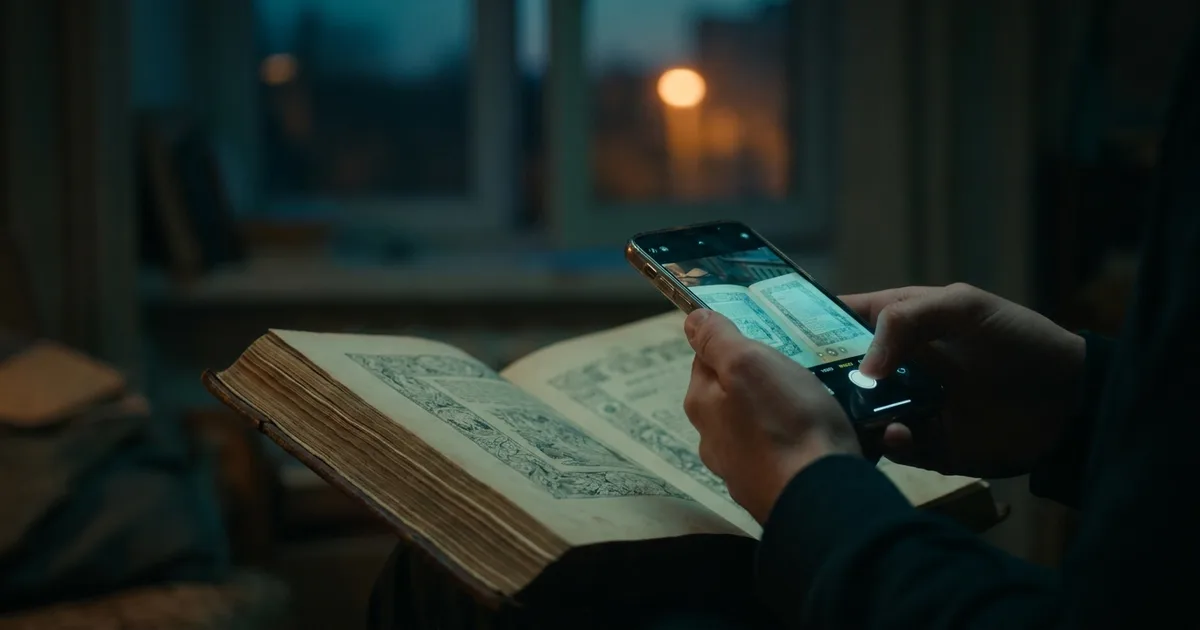
A person photographing an open book with a smartphone.
FirstFolio is an AI tool that identifies and values old books from photos. That last word is the whole game. The assessment can only read what you show it, so the difference between a vague result and a precise one is usually not the book. It is the photos.
The good news: you do not need a real camera or any photography skill. A phone and two minutes per book is enough, if you photograph the right pages.
Here is exactly what to shoot, why each photo matters, and how to make every one count.
The short answer
- You get six photos per assessment. Spend them deliberately.
- The first three are fixed: front cover, title page, and copyright page. These carry most of the identification.
- Choose the last three for your book: the inner front flap if there is a dust jacket, the spine, and then the most informative shot left, a signature, the back cover, or any oddity or damage.
- Shoot in bright, even light, hold the camera square to the page, and make sure the text is readable before you upload.
The three photos that do most of the work
Front cover. This anchors the title, author, publisher, and the overall look of the edition, and it is the first input for grading condition. Shoot the whole cover, edge to edge, straight on.
Title page. Not the cover, the printed page inside. The title page states the publisher and often the place and year of publication, which narrows the edition before the copyright page settles it. Publishers changed imprints and addresses over the years, and those details date a book.
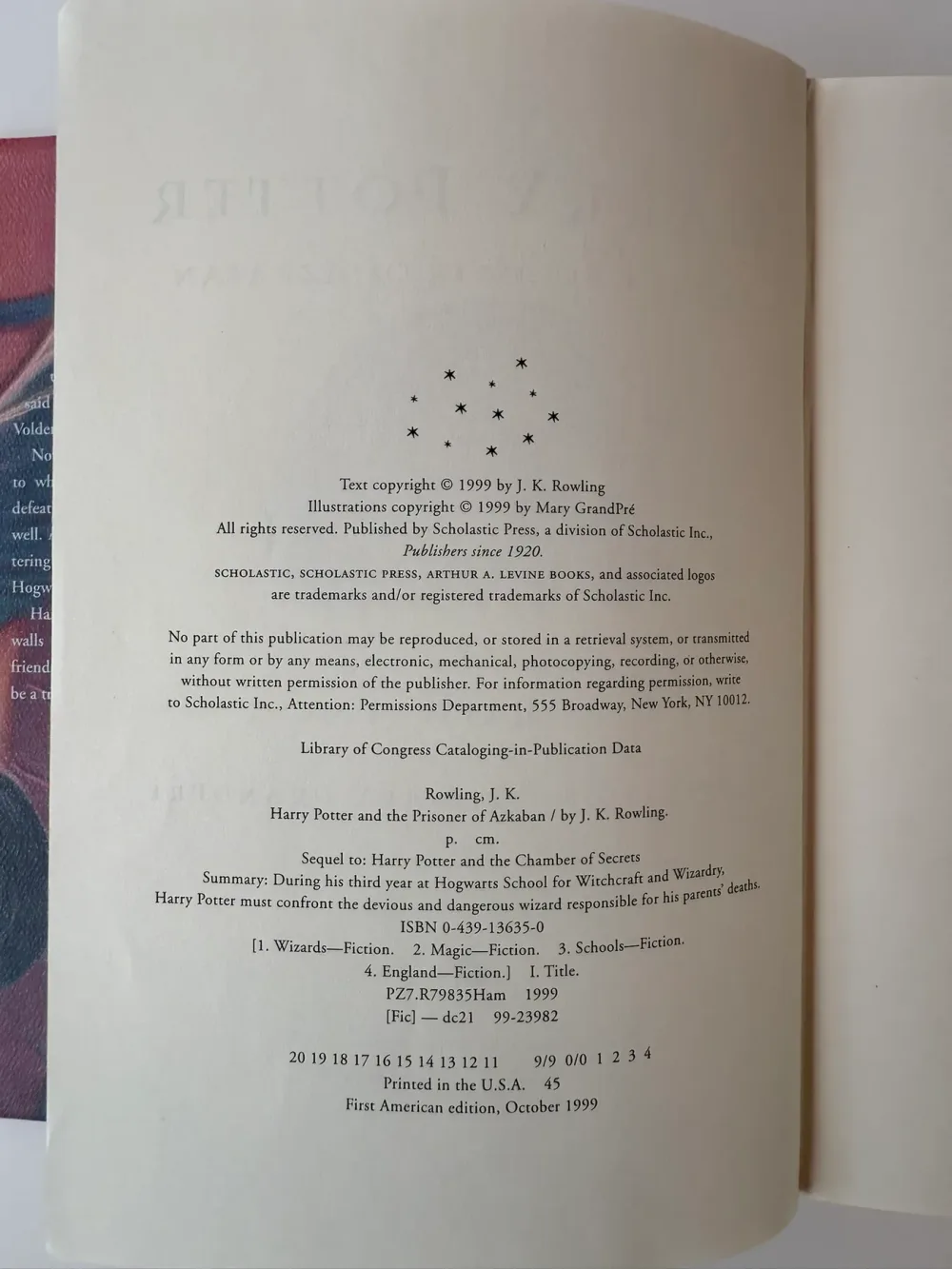
Copyright page. The reverse of the title page, and the single most important photo in the set. This is where the printing is declared: the copyright dates, the edition statements, and the number line that identifies a first printing. Capture the entire page, not a crop, and make sure every line is legible. If the assessment can read this page clearly, it can usually tell you exactly which printing you own. If you want to know what it is reading, see How to Read a Book's Number Line.
Spending the last three slots
An assessment takes up to six photos. The three above are fixed, so the question is what earns the remaining three. In rough order of value:
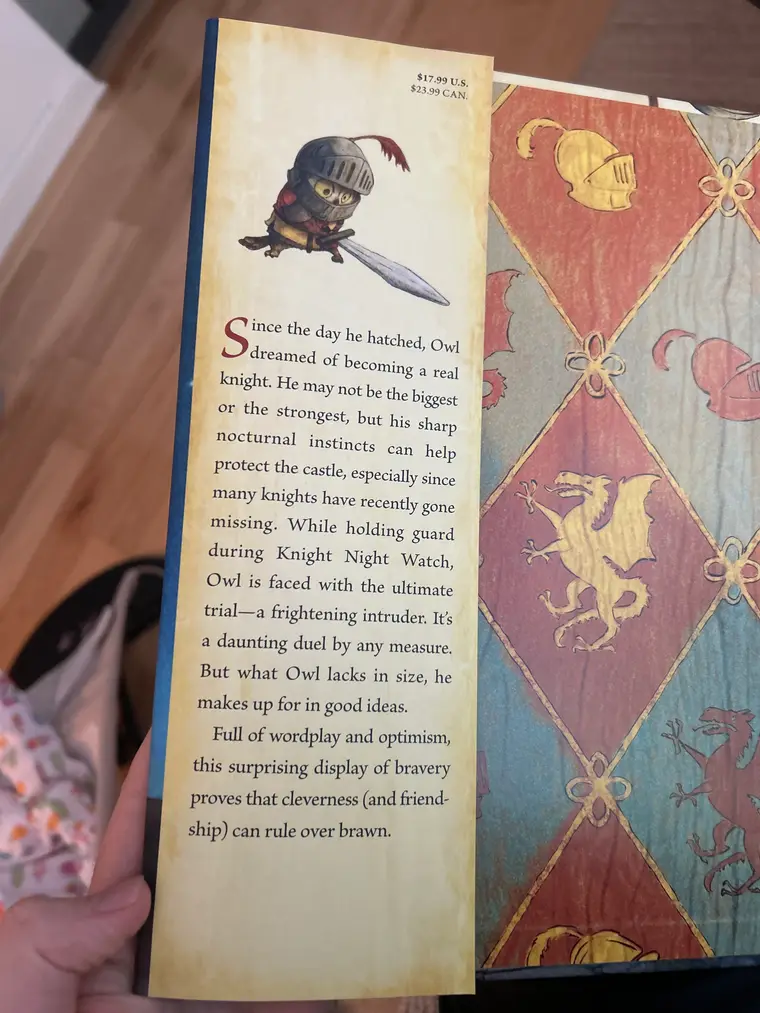
Inner front flap (if there is a dust jacket). The flap carries the original printed price, which matters twice: it helps confirm the jacket is original to that printing, and a clipped corner where the price should be changes the value. On collectible hardcovers the jacket is often most of the value, so on a jacketed book this is the first slot to fill. See Do Dust Jackets Affect a Book's Value?.
Spine. Confirms the publisher and binding, shows series marks, and reveals condition problems that covers hide: fading, lean, cracked hinges, chipped head and tail. A faded spine alone can move a condition grade.
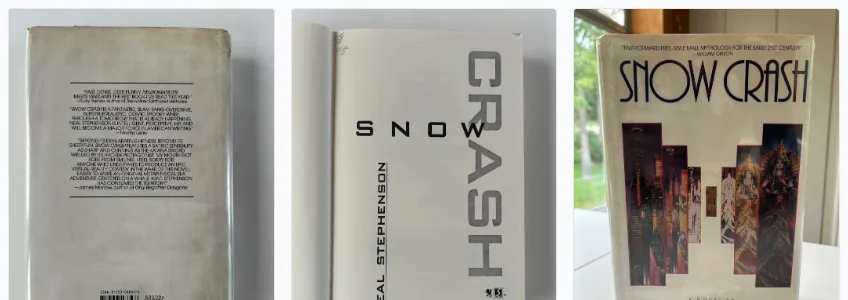
The best remaining shot for your book. A signature or inscription beats everything else if one exists. Otherwise the back cover, which catches book club tells (the blind stamp), barcodes, and printed prices that date the printing. No jacket? That frees a slot for the back cover and one more.
The shots people forget to consider
Any of these can be worth bumping the spine or back cover for a slot:
- A signature or inscription. Shoot it close and straight. A genuine author signature can change the value sharply, and the assessment needs to see the writing itself, not a description of it.
- The number line, close up. The copyright page photo usually covers this, but on a busy page an extra tight shot of the bottom lines removes any doubt.
- Anything unusual. Fold-out maps, color plates, errata slips, a misprint, ex-library stamps, water damage. Good or bad, oddities affect identification and value, and a photo of the oddity beats a guess. If something about the book made you curious enough to check it, that is a strong sign it deserves a slot.
How to take photos that read well
None of this requires equipment. It requires two minutes of care.
- Use bright, even light. Daylight near a window is ideal. Avoid lamps that throw a shadow of your hand or phone across the page, and avoid flash on glossy jackets, which blows out a stripe of the image.
- Hold the camera square to the page. Shooting at an angle distorts the text. Look for the page filling the frame as a rectangle, not a trapezoid.
- Make the page flat. Hold the book fully open for the title and copyright pages, or rest it on a table and hold the facing page down out of frame.
- Check that you can read it. Zoom in on your own photo before uploading. If you cannot read the small print, neither can the assessment. Retake it.
- One subject per photo. A single clear shot of the copyright page beats one photo trying to show the cover, spine, and open book at once.
What the assessment gives back
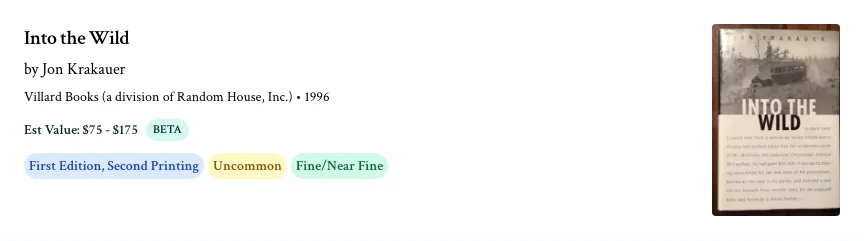
With a well-spent set of six, FirstFolio identifies the edition and printing, grades the condition, and returns an estimated market value range in about 60 seconds, along with the reasoning: what the copyright page declares, what the jacket shows, and what drove the grade.
You can check two books free, no card required. Run your first assessment.
An honest note on what photos cannot fix
Better photos make the identification more precise. They do not make the book more valuable. If the copyright page shows a tenth printing, a sharper photo of it still shows a tenth printing. The point of a careful photo set is confidence: knowing exactly what you own, and what that version actually sells for, before you decide to sell, insure, or keep it. If the result comes back modest, that is the photo set doing its job too. See Is My Old Book Worth Anything? for what actually drives value.
Frequently asked questions
What photos do I need for a FirstFolio assessment? At minimum the front cover, title page, and copyright page. Fill the remaining slots (assessments take six photos) with the inner front flap, the spine, and the most informative shot left for your book.
Why is the copyright page so important? It declares the printing: copyright dates, edition statements, and the number line. It is the page that separates a true first printing from a later one of the same book.
Do I need a good camera? No. Any modern phone is more than enough. Bright even light, a square angle, and checking the text is readable matter far more than the camera.
Should I photograph damage? Yes. Condition drives value, and the grade is more accurate when the assessment can see the foxing, the torn jacket, or the cracked hinge instead of guessing from clean photos.
How many photos can I upload? Six per assessment. Spend the first three on the front cover, title page, and copyright page, then pick the best three for your book: the inner front flap if there is a jacket, the spine, and a signature, oddity, or the back cover.
Related reading: